

Christmas is such a magical time for children. There is excitement, anticipation and, of course, plenty of gift opening!
But when you're choosing Christmas gifts for children, it can be lovely to find things that offer more than just a few minutes of entertainment. The best educational gifts don't necessarily feel educational at all. Instead, they invite children to play, explore, experiment, imagine and connect.
From literacy and numeracy games to sensory activities and fine motor challenges, there are so many ways to turn playtime into an opportunity for learning.
And perhaps most importantly, educational activities don't always need to be completed independently. Playing alongside your child can be just as valuable as the activity itself, providing opportunities for conversation, language development, problem-solving and connection.
So, if you're looking for Christmas gift ideas that combine learning and fun, here are some areas worth exploring.
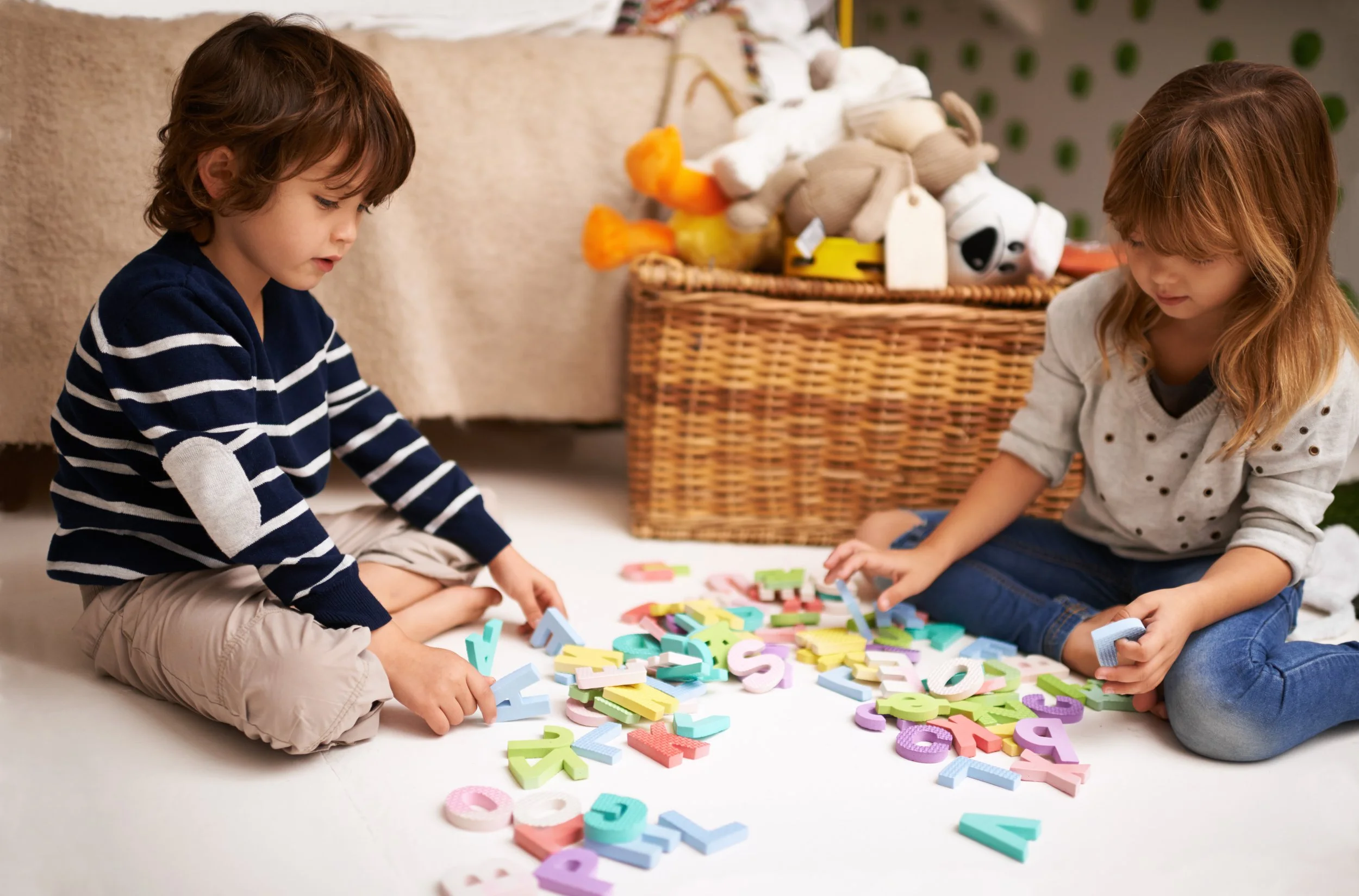
Literacy Gifts: Learning Letters, Sounds and Words Through Play
Literacy development begins long before children sit down to write their first story.
Young children are constantly developing the foundations of literacy through talking, listening, recognising sounds, learning new vocabulary, noticing letters and beginning to understand how words work.
The wonderful thing about games is that children can practise these skills without it feeling like formal learning.
Alphabet and letter recognition
Matching games are a simple way to introduce children to letters while also developing their ability to notice similarities and differences.
For younger children, Montessori ABC Matching Cards provide an opportunity to match letters with corresponding pictures while becoming familiar with the alphabet.
Alphabet bingo can also be a fun choice for children who enjoy playing games with a parent or sibling. Alphabet Bingo turns letter recognition into a simple game where children can practise identifying letters while having fun.
Rhyming and early language skills
Rhyming is another important part of early literacy development. Songs, nursery rhymes and rhyming games help children hear and identify the sounds within words - an important foundation for later reading.
A game such as Matching Rhymes can provide a playful way for children to explore rhyming words and develop their listening and language skills.
For children who are ready for more advanced word play, Word Race is another option to explore.
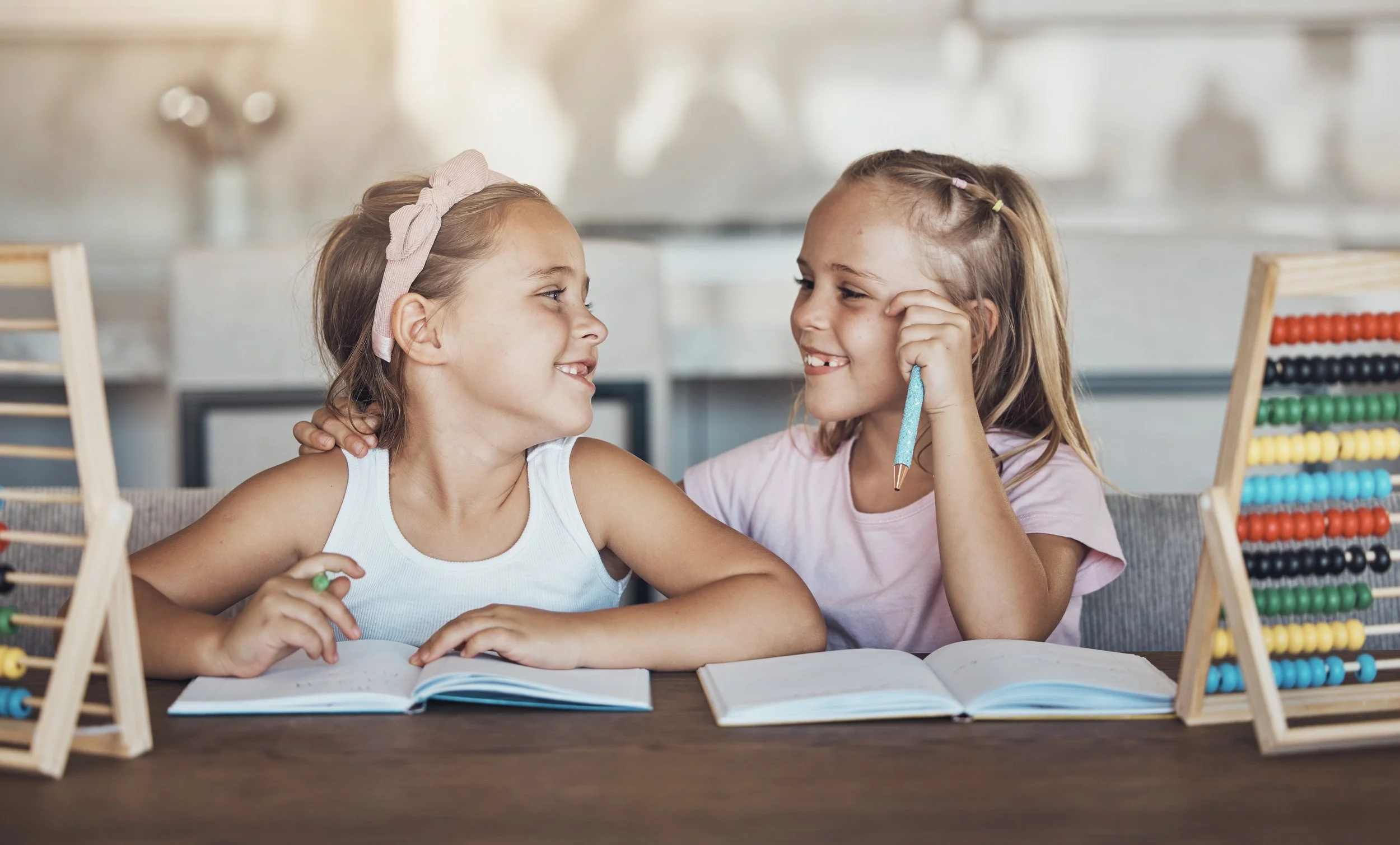
Numeracy Gifts: Making Maths Part of Play
Numeracy doesn’t have to mean sitting down with worksheets or practising numbers at a desk. Some of the most valuable mathematical learning happens naturally through everyday experiences and play. Cooking together, counting objects, sorting toys, comparing sizes and quantities, or playing simple games can all help children develop early mathematical thinking.
Even something as simple as playing shop can introduce a surprising number of numeracy concepts. Children can count items, compare quantities, recognise prices, sort objects, practise addition and subtraction, and begin to understand concepts such as money and change. A game such as Orchard Toys Shopping List turns these everyday experiences into playful learning, encouraging children to practise these skills while having fun.
Bingo is another wonderful example of how a simple game can support numeracy. While traditional number bingo can help younger children practise number recognition and counting, bingo can also be adapted to introduce a wide range of mathematical concepts as children develop. Depending on the resource, children might practise number recognition, addition and subtraction, multiplication or fractions. A resource such as Numbers Bingo demonstrates how the familiar format of bingo can be used to make different areas of numeracy engaging and accessible.
The beauty of these activities is that children are learning without necessarily feeling like they are 'doing maths'. Through play, they are counting, comparing, recognising patterns, solving problems, following rules and making connections - all while developing confidence and positive attitudes towards mathematics.
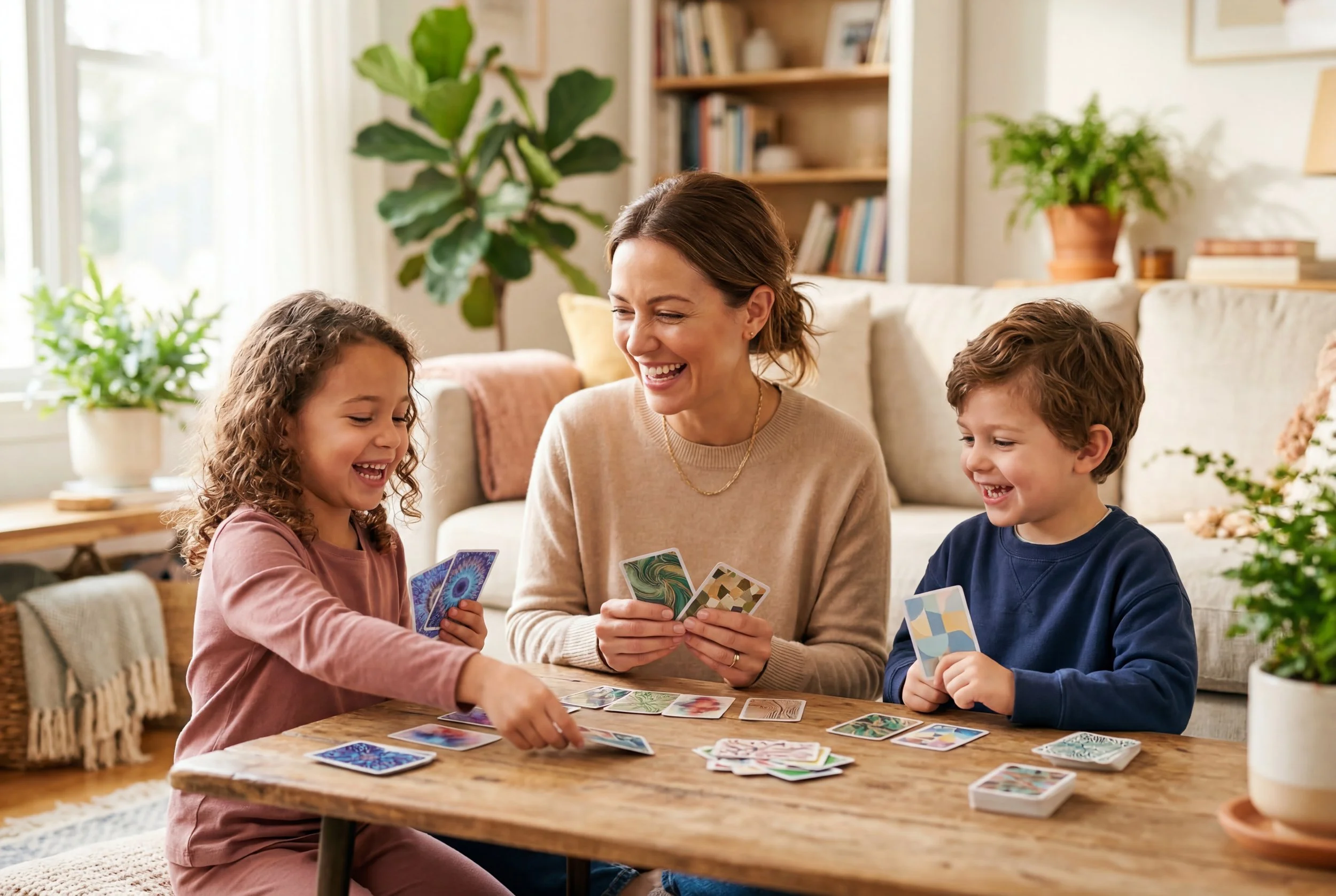
Social and Emotional Learning Gifts
Helping Children Learn About Their Emotions
Not every educational gift needs to focus on letters and numbers. Helping children understand their emotions, communicate their feelings and develop strategies for managing big emotions is an equally important part of childhood development.
Children are still learning how to recognise what they're feeling and how to express those feelings. Activities that provide opportunities to talk about emotions can help make these conversations feel more natural.
Emotion cards, storybooks, puppets and role-playing activities can all provide useful prompts. Big Life Journal is a beautiful resource for supporting children's emotional development, with a range of thoughtfully designed resources that encourage children to explore their feelings, build self-awareness and develop positive ways of thinking. Their Dream & Affirmation Cards are a lovely example, combining positive affirmations with prompts designed to encourage children to think about their dreams, strengths and possibilities. The Big Life Journal website also has a beautiful collection of resources for helping children develop emotional awareness, confidence and resilience.
Sensory and Fine Motor Gifts
Sensory and fine motor activities are another wonderful category to consider when choosing educational Christmas gifts. Fine motor skills involve the small muscles of the hands and fingers, which children use for activities such as drawing, cutting, threading, manipulating small objects and eventually writing. Sensory activities, meanwhile, give children opportunities to explore different textures, movements and materials. The two areas often overlap beautifully.
Threading, Lacing and Fine Motor Play
Activities involving threading, buttons, lacing and other hands-on movements can be particularly useful for developing hand strength, coordination and fine motor control. These activities are particularly beneficial to toddlers and preschool aged children.
Some great gifts for this age group and developmental area include this Animal lacing activity and this Wooden lacingbuttons puzzle board. Activities likes these provide an opportunity for children to practise manipulating buttons and threading while engaging in hands-on play.
These activities may look simple, but the small movements involved require children to coordinate their hands and fingers carefully.
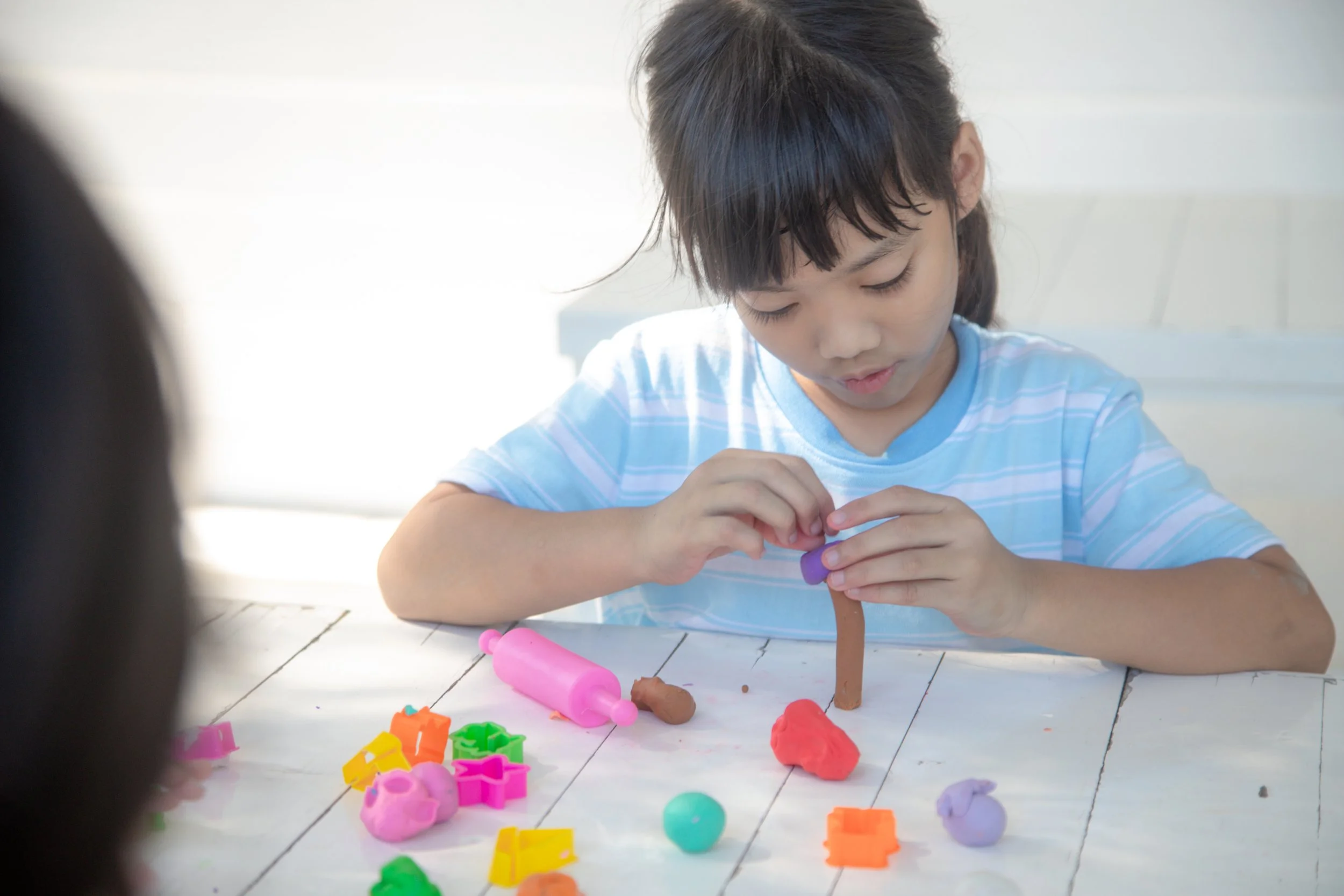
Play Dough: One Simple Activity, So Many Benefits
Play dough might seem like a simple gift, but it offers children a wonderful combination of sensory exploration, hands-on learning and open-ended play. It’s also an affordable gift that can provide hours of creative play.
Sensory benefits
The soft, malleable texture of play dough provides a hands-on sensory experience. Squeezing, rolling, stretching, flattening and poking the dough allows children to explore texture while engaging their sense of touch.
Fine motor benefits
All that pinching, rolling, squeezing and manipulating helps strengthen little hands and fingers while developing hand-eye coordination. Children can also practise more precise movements as they create small shapes, roll balls, make patterns or press objects into the dough.
Imagination & creativity
Because play dough is completely open-ended, there is no right or wrong way to play. A lump of dough can become a dinosaur, a cake, a garden or an entire imaginary world, giving children the freedom to create, experiment and bring their ideas to life.
Language & storytelling
Play dough can also encourage language development, particularly when an adult joins in. Asking questions such as “What are you making?”, “Tell me about your creation” or “What happens next?” encourages children to describe, explain and develop stories around their creations.
Affordable Play Dough Gift Ideas
You don’t need to spend a lot to give a child a play dough gift they’ll love. A simple tub of dough, some tools or a themed play set can provide plenty of opportunities for creative, hands-on play.
For an inexpensive gift, Little Busy has a range of play-based resources, while this Play-Doh Kitchen Playset from BIG W is a fun option for children who enjoy imaginative kitchen play.
And if you have a little more time, you can make your own play dough at home. This no-cook playdough recipe from KidBucket List is a simple, budget-friendly option and making the dough together can become part of the fun.

Choosing an Educational Christmas Gift
When you're looking for an educational gift this Christmas, you don't necessarily need to choose something complicated or expensive. Instead, think about what your child enjoys and look for opportunities to build learning into that interest.
For children who love words:
Look for alphabet games, rhyming activities, matching games and word games.
For children who love numbers:
Try counting games, number matching, bingo and simple board games.
For children who are developing emotional awareness:
Look for emotion cards, stories, puppets and activities that encourage conversations about feelings.
For hands-on learners:
Consider threading, lacing, puzzles, play dough and sensory activities.
And for imaginative children:
Choose open-ended activities that don't have one predetermined outcome.
Most importantly, don't worry about making every activity educational. Children learn through play because play allows them to experiment, make mistakes, try again, imagine, communicate and discover things for themselves.
The Best Educational Gifts Are the Ones Children Want to Play With
Educational gifts don't have to look like schoolwork. In fact, some of the most valuable learning opportunities happen when children don't realise they're learning at all. A game of bingo can become an opportunity to practise letters. A pretend shopping game can involve counting and memory. Play dough can develop fine motor skills, sensory awareness and imagination. And a simple game played beside Mum or Dad can become an opportunity for language, problem-solving and connection.
Because sometimes the most educational gift isn't the one that teaches the most.
It's the one that inspires the most play, conversation, curiosity and connection.