
A Letter to Santa: A Little Christmas Tradition That Encourages Kids to Write
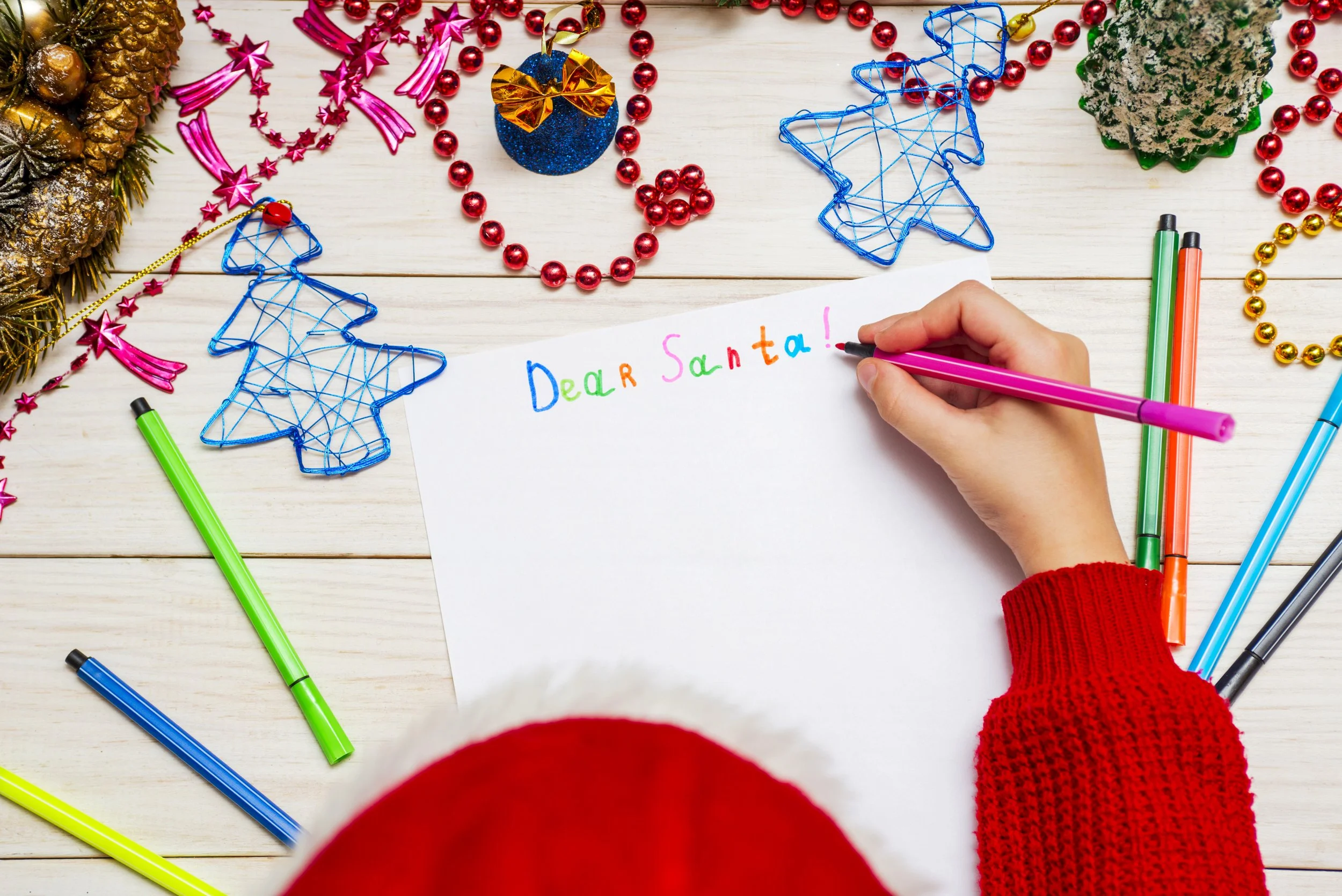
There is something rather magical about writing a letter to Santa.
For children, it’s a chance to think about Christmas, dream about what might be waiting under the tree and send a very important message all the way to the North Pole. But hidden amongst all that Christmas excitement is something else rather lovely - an opportunity to encourage children to write.
As a former primary school teacher, I always found that writing letters to Santa was one of those activities that appealed to almost every child. Even children who were usually reluctant to pick up a pencil suddenly had something they genuinely wanted to say.
And that is one of the loveliest ways we can encourage early literacy - by giving children a real and meaningful reason to write.
Learning to write doesn't always have to feel like learning
Children develop their literacy skills in so many ways, and not all of them happen while sitting down to complete a formal “writing activity”. Writing a birthday card for Grandma, making a sign for a cubby house, creating a menu for a pretend café, writing a shopping list or sending a letter to Santa are all opportunities for children to discover that the words they put on paper have meaning.
When writing is connected to something children are interested in, it becomes less about practising writing and more about having something they want to communicate. And at Christmas, there are few people children are more motivated to communicate with than Santa!
Don't worry too much about perfect spelling
One thing I would encourage parents not to worry about during an activity like this is perfect spelling. If your child writes a word exactly as it sounds to them, that's okay.
Those attempts are part of learning to write. Children are listening for sounds, connecting those sounds with letters and working out how words fit together. The important thing is that they are thinking, experimenting and - most importantly - putting pencil to paper.
That doesn't mean you shouldn't help when they ask. My own daughter will often ask me how to spell a word, and I’m quite happy to tell her. But before I do, I usually encourage her to have a little think about it first.
“What sound can you hear at the beginning?”
“Do you know which letter makes that sound?”
“Can you hear another sound in the word?”
Sometimes she can work out much of the word herself. Other times, she needs my help - and that's perfectly fine too. You can even keep a little notepad beside you and write down tricky words for your child to copy. Copying is learning too. They're still looking carefully at letters, noticing their order, forming them on the page and learning how written language works.
The goal isn't to turn a lovely Christmas activity into a spelling test. It's to help children experience writing as something enjoyable, useful and creative.

Meet your child where they are
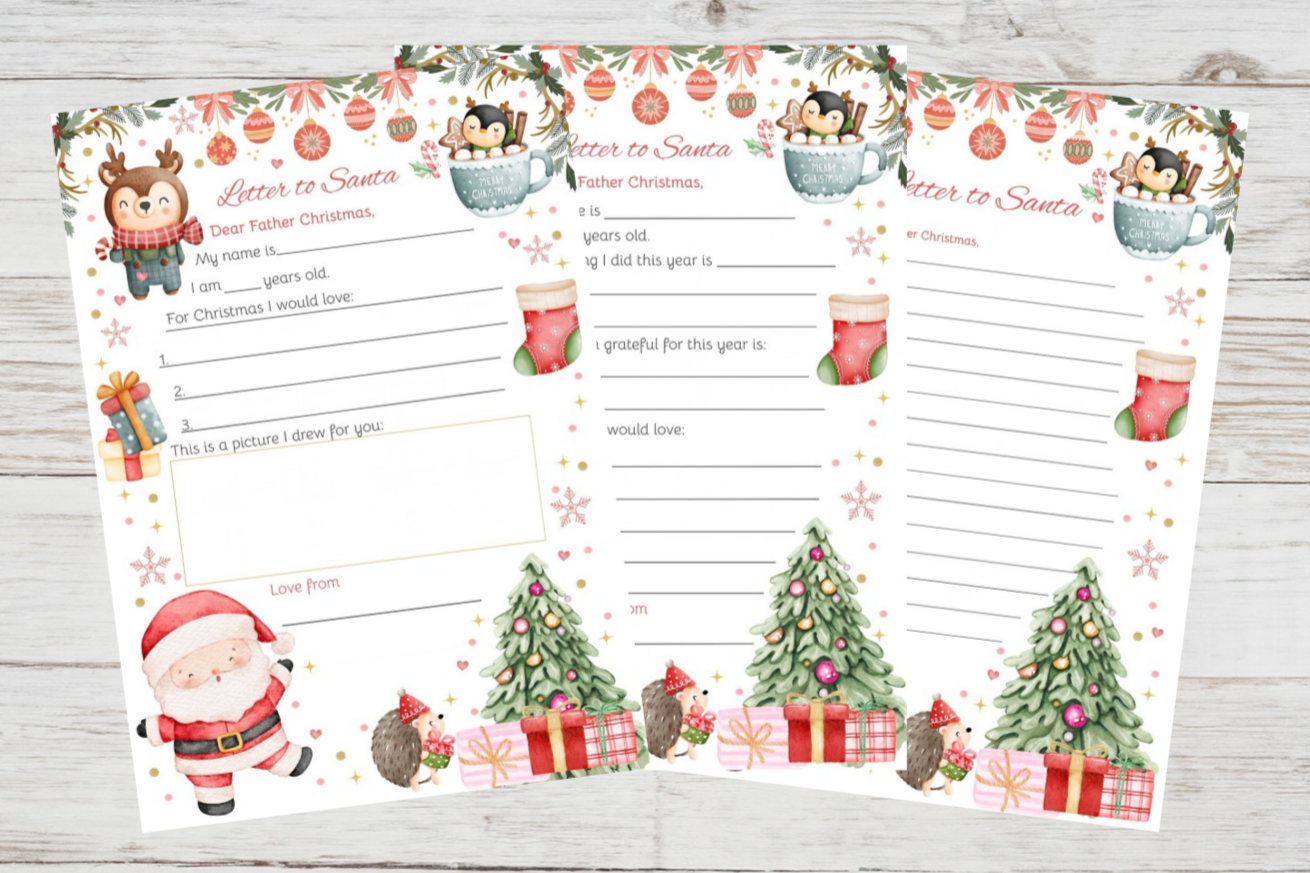
Children's writing develops at different rates, which is why I've created three free Letter to Santa templates rather than just one. You can simply choose the version that feels most comfortable for your child right now.
For more independent writers, there is an open-ended letter with plenty of writing lines and very few prompts. Children can decide for themselves what they would like to tell Santa and how they'd like to structure their letter.
For developing writers, I've created a more structured version with prompts such as their name and age, something nice they did this year, something they're grateful for and their Christmas wishes. It gives children ideas to get them started while still leaving plenty of room for their own thoughts.
And for very early writers, there is a simpler template with shorter writing prompts, space for three Christmas wishes and a large area where they can draw a picture for Santa.
Drawing and storytelling are valuable parts of early literacy too. A child may draw an elaborate picture and then tell you an entire story about what is happening in it. You can talk about their picture together, label something they've drawn or help them write a sentence about it. There doesn't need to be one “right” way to complete the letter.

A few little ways you can help
If your child isn't sure what to write, conversation is often the best place to begin. Rather than giving them the sentence, talk about their ideas first.
You might ask:
“What would you really like Santa to know?”
“What was something kind you did this year?”
“What are you thankful for?”
“What would you like for Christmas?”
“Would you like to draw Santa a picture too?”
For younger children, you can also act as their scribe. Let them tell you what they want their letter to say while you write some or all of it down. Perhaps they could write their own name, add the first letter of a word, copy a few words you've written for them or contribute a picture.
They're still participating in the process of turning their thoughts into written words. And if your child wants to do the whole thing independently - spelling mistakes and all - let them! Those wonderfully imperfect early letters are often the ones you'll treasure most in years to come.
Make it part of the Christmas magic
You can make writing the letter into a little Christmas tradition of its own. Put on some Christmas music, bring out the pencils and crayons, perhaps make a hot chocolate and sit down together to write. When the letter is finished, pop it into an envelope ready for Santa. You might even make a special trip to post it together.
It doesn't need to be elaborate. What children often remember are these simple little rituals - sitting together, creating something and sharing in the excitement of Christmas.
And while they're busy deciding what to tell Santa, sounding out words, forming letters, drawing pictures and proudly signing their name at the bottom, they're also practising literacy skills without it feeling very much like “work” at all.
Download your free Letter to Santa templates
I've created three free printable Letter to Santa templates so you can choose the one that best suits your child's stage of writing. There is a template for more independent writers, a gently prompted version for developing writers, and a simple write-and-draw version for children who are just beginning their writing journey.
Print your favourite, bring out the pencils and let your little one take it from there. Don't worry if the spelling isn't perfect. Don't worry if the letters aren't perfectly formed. And don't worry if the picture ends up taking up more space than the writing. They're creating, communicating and discovering that their words and ideas are worth putting on paper.
And that's a pretty wonderful thing to tuck inside a little Christmas tradition. ❤️